







-
 Agriculture
-
 Health-Care
-
 Environment
-
 Construction-Real-Estate
-
 Tools-Hardware
-
 Home-Garden
-
 Furniture
-
 Luggage-Bags-Cases
-
 Medical-devices-Supplies
-
 Gifts-Crafts
-
 Sports-Entertainment
-
 Food-Beverage
-
 Vehicles-Transportation
-
 Power-Transmission
-
 Material-Handling
-
 Renewable-Energy
-
 Safety
-
 Testing-Instrument-Equipment
-
 Construction-Building-Machinery
-
 Pet-Supplies
-
 Personal-Care-Household-Cleaning
-
 Vehicle-Accessories-Electronics-Tools
-
 School-Office-Supplies
-
 Packaging-Printing
-
 Mother-Kids-Toys
-
 Business-Services
-
 Commercial-Equipment-Machinery
-
 Apparel-Accessories
-
 Security
-
 Shoes-Accessories
-
 Vehicle-Parts-Accessories
-
 Jewelry-Eyewear-Watches-Accessories
-
 Lights-Lighting
-
 Fabric-Textile-Raw-Material
-
 Fabrication-Services
-
 Industrial-Machinery
-
 Consumer-Electronics
-
 Electrical-Equipment-Supplies
-
 Electronic-Components-Accessories-Telecommunications
-
 Home-Appliances
-
 Beauty
-
 Chemicals
-
 Rubber-Plastics
-
 Metals-Alloys


























































































































































































































































































































































































































































































































































































- Masonry Materials
- Curtain Walls & Accessories
- Earthwork Products
- Fireproofing Materials
- Heat Insulation Materials
- Plastic Building Materials
- Building Boards
- Soundproofing Materials
- Timber
- Waterproofing Materials
- Balustrades & Handrails
- Bathroom & Kitchen
- Flooring & Accessories
- Tiles & Accessories
- Door, Window & Accessories
- Fireplaces & Stoves
- Floor Heating Systems & Parts
- Stairs & Stair Parts
- Ceilings
- Elevators & Escalators
- Stone
- Countertops, Vanity Tops & Table Tops
- Mosaics
- Metal Building Materials
- Multifunctional Materials
- Ladders & Scaffoldings
- Mouldings
- Corner Guards
- Decorative Films
- Formwork
- Building & Industrial Glass
- Other Construction & Real Estate
- Wallpapers/Wall panels
- HVAC System & Parts
- Outdoor Facilities
- Prefabricated Buildings
- Festive & Party Supplies
- Bathroom Products
- Household Sundries
- Rain Gear
- Garden Supplies
- Household Cleaning Tools & Accessories
- Lighters & Smoking Accessories
- Home Storage & Organization
- Household Scales
- Smart Home Improvement
- Home Textiles
- Kitchenware
- Drinkware & Accessories
- Dinnerware, Coffee & Wine
- Home Decor
- Golf
- Fitness & Body Building
- Amusement Park Facilities
- Billiards, Board Game,Coin Operated Games
- Musical Instruments
- Outdoor Affordable Luxury Sports
- Camping & Hiking
- Fishing
- Sports Safety&Rehabilitation
- Ball Sports Equipments
- Water Sports
- Winter Sports
- Luxury Travel Equipments
- Sports Shoes, Bags & Accessories
- Cycling
- Other Sports & Entertainment Products
- Artificial Grass&Sports Flooring&Sports Court Equipment
- Scooters
- Food Ingredients
- Honey & Honey Products
- Snacks
- Nuts & Kernels
- Seafood
- Plant & Animal Oil
- Beverages
- Fruit & Vegetable Products
- Frog & Escargot
- Bean Products
- Egg Products
- Dairy Products
- Seasonings & Condiments
- Canned Food
- Instant Food
- Baked Goods
- Other Food & Beverage
- Meat & Poultry
- Confectionery
- Grain Products
- Feminie Care
- Hair Care & Styling
- Body Care
- Hands & Feet Care
- Hygiene Products
- Men's Grooming
- Laundry Cleaning Supplies
- Travel Size & Gift Sets
- Room Deodorizers
- Other Personal Care Products
- Pest Control Products
- Special Household Cleaning
- Floor Cleaning
- Kitchen & Bathroom Cleaning
- Oral Care
- Bath Supplies
- Yellow Pages
- Correction Supplies
- Office Binding Supplies
- Office Cutting Supplies
- Board Erasers
- Office Adhesives & Tapes
- Education Supplies
- Pencil Cases & Bags
- Notebooks & Writing Pads
- File Folder Accessories
- Calendars
- Writing Accessories
- Commercial Office Supplies
- Pencil Sharpeners
- Pens
- Letter Pad/Paper
- Paper Envelopes
- Desk Organizers
- Pencils
- Markers & Highlighters
- Filing Products
- Art Supplies
- Easels
- Badge Holder & Accessories
- Office Paper
- Printer Supplies
- Book Covers
- Other Office & School Supplies
- Stationery Set
- Boards
- Clipboards
- Stamps
- Drafting Supplies
- Stencils
- Electronic Dictionary
- Books
- Map
- Magazines
- Calculators
- Baby & Toddler Toys
- Educational Toys
- Classic Toys
- Dress Up & Pretend Play
- Toy Vehicle
- Stuffed Animals & Plush Toys
- Outdoor Toys & Structures
- Balloons & Accessories
- Baby Food
- Children's Clothing
- Baby Supplies & Products
- Maternity Clothes
- Kids Shoes
- Baby Care
- Novelty & Gag Toys
- Dolls & Accessories
- Puzzle & Games
- Blocks & Model Building Toys
- Toddler Clothing
- Baby Clothing
- Kids' Luggage & Bags
- Arts, Crafts & DIY Toys
- Action & Toy Figures
- Baby Appliances
- Hobbies & Models
- Remote Control Toys
- Promotional Toys
- Pregnancy & Maternity
- Hygiene Products
- Kid's Textile&Bedding
- Novelty & Special Use
- Toy Weapons
- Baby Gifts
- Baby Storage & Organization
- Auto Drive Systems
- ATV/UTV Parts & Accessories
- Marine Parts & Accessories
- Other Auto Parts
- Trailer Parts & Accessories
- Auto Transmission Systems
- Train Parts & Accessories
- Universal Parts
- Railway Parts & Accessories
- Auto Brake Systems
- Aviation Parts & Accessories
- Truck Parts & Accessories
- Auto Suspension Systems
- Auto Lighting Systems
- New Energy Vehicle Parts & Accessories
- Auto Steering Systems
- Wheels, Tires & Accessories
- Bus Parts & Accessories
- Auto Performance Parts
- Cooling System
- Go-Kart & Kart Racer Parts & Accessories
- Air Conditioning Systems
- Heavy Duty Vehicle Parts & Accessories
- Auto Electrical Systems
- Auto Body Systems
- Auto Engine Systems
- Container Parts & Accessories
- Motorcycle Parts & Accessories
- Refrigeration & Heat Exchange Equipment
- Machine Tool Equipment
- Food & Beverage Machinery
- Agricultural Machinery & Equipment
- Apparel & Textile Machinery
- Chemical Machinery
- Packaging Machines
- Paper Production Machinery
- Plastic & Rubber Processing Machinery
- Industrial Robots
- Electronic Products Machinery
- Metal & Metallurgy Machinery
- Woodworking Machinery
- Home Product Manufacturing Machinery
- Machinery Accessories
- Environmental Machinery
- Machinery Service
- Electrical Equipment Manufacturing Machinery
- Industrial Compressors & Parts
- Tobacco & Cigarette Machinery
- Production Line
- Used Industrial Machinery
- Electronics Production Machinery
- Other Machinery & Industrial Equipment
- Camera, Photo & Accessories
- Portable Audio, Video & Accessories
- Television, Home Audio, Video & Accessories
- Video Games & Accessories
- Mobile Phone & Accessories
- Electronic Publications
- Earphone & Headphone & Accessories
- Speakers & Accessories
- Smart Electronics
- TV Receivers & Accessories
- Mobile Phone & Computer Repair Parts
- Chargers, Batteries & Power Supplies
- Used Electronics
- VR, AR, MR Hardware & Software
- Projectors & Presentation Equipments
- Other Consumer Electronics
- Cables & Commonly Used Accessories
- Computer Hardware & Software
- Displays, Signage and Optoelectronics
- Discrete Semiconductors
- Wireless & IoT Module and Products
- Telecommunications
- Connectors, Terminals & Accessories
- Development Boards, Electronic Modules and Kits
- Circuit Protection
- Sensors
- Isolators
- Audio Components and Products
- Integrated Circuits
- Power Supplies
- Relays
- RF, Microwave and RFID
- Electronic Accessories & Supplies
- Passive Components
- PCB & PCBA
- Air Quality Appliances
- Home Appliance Parts
- Heating & Cooling Appliances
- Small Kitchen Appliances
- Laundry Appliances
- Water Heaters
- Water Treatment Appliances
- Refrigerators & Freezers
- Personal Care & Beauty Appliances
- Major Kitchen Appliances
- Cleaning Appliances
- Second-hand Appliances
- Smart Home Appliances
- Other Home Appliances
- Energy Chemicals
- Inorganic Chemicals
- Basic Organic Chemicals
- Agrochemicals
- Admixture & Additives
- Catalysts & Chemical Auxiliary Agents
- Pigments & Dyestuff
- Coating & Paint
- Daily Chemicals
- Polymer
- Organic Intermediate
- Adhesives & Sealants
- Chemical Waste
- Biological Chemical Products
- Surface Treatment Chemicals
- Painting & Coating
- Chemical Reagents
- Flavor & Fragrance
- Non-Explosive Demolition Agents
- Other Chemicals
- Custom Chemical Services

Handbags
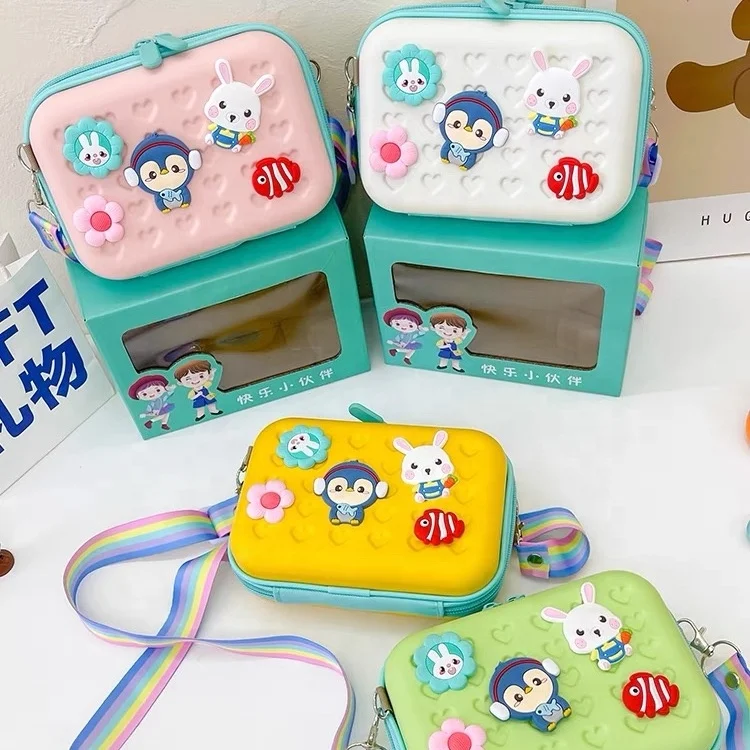
Imagine a bustling airport terminal, a symphony of rolling luggage, distant boarding calls, and the low hum of anticipation. Amidst this orchestrated chaos, a small, vibrant spot of color weaves an eager, bouncy path. It is a child’s first brightly colored suitcase—perhaps sunshine yellow, electric blue, or strawberry red—being pulled (or more accurately, enthusiastically dragged) by its tiny owner. This is not just luggage; it is a vessel. It carries more than clothes and a favorite stuffed animal. It is filled to the brim with dreams of roaring airplanes piercing the clouds, maps coming to life, and the thrilling unknown of new places waiting to be explored on a family vacation. This singular image captures a universal rite of passage, a moment where wonder and responsibility first intersect. The child is no longer just a passenger but an adventurer, their identity and aspirations literally packed into this handheld piece of the journey. The bouncing suitcase is a heartbeat of pure excitement, setting the rhythm for the entire trip to come.
The Suitcase as a Vessel of Identity and Autonomy
For a child, that first personal suitcase is far more than a practical item. It is a powerful symbol of growing up. Prior to this, their belongings were tucked into a corner of a parent\'s larger, more serious bag. Now, they have been entrusted with their own domain. The act of choosing what goes inside—the indispensable toy, the \"lucky\" shirt, the notebook for sketches—is an early exercise in curation and self-expression. Each item packed is a piece of their world they deem necessary for the adventure ahead.
This autonomy is profoundly empowering. Pulling the suitcase themselves, managing its wheels over cracks in the floor, and being responsible for its contents fosters a sense of ownership over the journey. They are not merely being taken on vacation; they are participating in it, contributing their own prepared kit for exploration. The bright color of the suitcase itself is a declaration. In a sea of black and navy rolling bags, this splash of neon green or polka dots is a beacon, shouting, \"I am here! I am going on an adventure!\" It marks their unique presence in the vast, impersonal space of the terminal.
The Airport Terminal: A Gateway to Enchantment
To the adult, an airport is a transit hub, often associated with lines, security checks, and delays. To the child pulling that colorful suitcase, it is a palace of wonders, the literal gateway to their dreams. The terminal is not a place to endure but the first fascinating destination of the trip itself. Every sight and sound feeds their imagination. The giant windows framing majestic airplanes are like viewing portals to another world. The suitcase bounces in rhythm with their pointed finger as they identify different airlines\' logos.
The sensory overload is magical. The robotic voice of the intercom announcing faraway cities sounds like an invitation. The slow parade of luggage on the carousel is a mesmerizing ballet. The diverse crowd—families, solo travelers, flight crews in crisp uniforms—paints a picture of a world in constant, exciting motion. Their suitcase, bouncing along, is their ticket into this grand narrative. They are not just observing; they are now part of the flow, their own little piece of luggage joining the great migration of people and dreams.
Dreams of Flight and Mechanical Wonder
Central to this entire experience is the airplane itself. Long before reaching the gate, the child’s mind is already in the clouds. The suitcase holds dreams of the moment the wheels leave the tarmac, that incredible sensation of power and lift that feels like magic. They dream of looking out the window at a landscape that transforms from a detailed map into a miniature patchwork quilt, with rivers like silver threads and clouds as fluffy islands.
The airplane represents the pinnacle of human ingenuity to a young mind. The suitcase bouncing through the terminal is, in a way, a ground-bound imitation of the journey its owner is about to take. Its wheels on the tile mimic the plane\'s wheels on the runway. Its sturdy shell protects precious cargo, just as the aircraft\'s fuselage does. In the child’s imaginative play, the terminal floor becomes a runway, and their journey to Gate B12 is a prelude to the real flight. Packed inside, next to the socks and shorts, are fantasies of visiting the cockpit, wearing a pilot\'s wings, and understanding the mystery of how such a heavy machine can soar.
The Anticipation of New Places and Family Bonding
While the airplane is the thrilling vehicle, the destination is the promise. The suitcase is filled with dreams of new places: the scent of salty ocean air different from home, the awe of seeing ancient castles or towering skyscrapers, the taste of unfamiliar and delicious foods. It carries the anticipation of sandy toes, museum treasure hunts, or the simple joy of a hotel room that becomes a secret basecamp. Each item packed is chosen with a scenario in mind—the swimsuit for the beach, the hiking shoes for the forest trail.
Most importantly, this journey is framed by the context of a family vacation. The bouncing suitcase signifies shared excitement. The child is likely chattering non-stop to parents or siblings about what they’ve packed and what they’ll do first. This shared anticipation strengthens bonds. The family unit becomes a team of explorers, with the child, through the ownership of their suitcase, feeling like a contributing member. The vacation is not something done for them, but with them, and their brightly colored luggage is the tangible proof of their partnership in the family adventure.
The Lasting Imprint of a First Journey
The memory of that first brightly colored suitcase bouncing through the terminal often outlasts the details of the vacation itself. It becomes a cherished mental snapshot, symbolizing a first taste of independence and the boundless optimism of childhood. The suitcase itself may eventually be outgrown, relegated to a basement or donated, but the feeling it represents remains.
In later years, traveling with standard, adult luggage, one might catch a glimpse of a similar scene—a small child with a lime-green or fire-engine-red case—and be instantly transported back. That image encapsulates a pure, unjaded excitement about the world and its possibilities. It reminds us that travel, at its heart, is not about logistics or Instagram photos, but about the dreams we pack, the wonder we feel, and the joyful, bouncing steps we take toward the unknown. The child’s suitcase, therefore, is more than an object; it is a moving portrait of hope, a compact capsule carrying the infinite weight of dreams on its tiny, spinning wheels.
Imagine standing before a suitcase so full that its fabric bulges at the seams, its zippers holding on for dear life. This is not merely a piece of luggage; it is a tangible archive, a physical testament to a year lived in a foreign land. Overflowing with souvenirs and treasures, the overstuffed suitcase strains against its zippers, barely containing the memories collected from a year abroad. This single, straining suitcase symbolizes the profound challenge every returning traveler faces: how to pack a transformative life experience into a finite, rectangular box. It represents the culmination of countless moments—the thrill of discovery, the pangs of homesickness, the joy of new friendships, and the quiet self-reflection—all now compressed, waiting to be unpacked in more ways than one. The journey home, it seems, begins with this first, stubborn zipper.
The Tangible Cargo: Objects as Memory Vessels
Every item crammed into the suitcase’s depths serves as a key to a specific memory. The crumpled museum ticket stub is not just paper; it is a portal back to a hushed gallery where a masterpiece took your breath away. The slightly chipped ceramic mug, carefully swaddled in a sweater, evokes the cozy mornings spent in a local café, watching a new city wake up. These are not random trinkets; they are carefully chosen relics. Each was selected after much deliberation in a market stall or a quiet shop, deemed worthy of representing a slice of life abroad.
The physicality of these objects is crucial. Their weight, texture, and even their slight imperfections—a scratch on a wooden figurine, the faded label on a spice jar—add layers of authenticity to the memories they hold. They are anchors. In the weeks and months after returning, when the vividness of the experience begins to soften at the edges, holding that peculiar coin or smelling the scent lingering on a woven scarf can instantly transport you back. The suitcase, therefore, is a chest of sensory triggers, each object a deliberate attempt to bottle a feeling, a place, or a person.
Yet, their collective mass creates a dilemma. The logical mind knows that the memory resides within, not within the object itself. But the heart argues differently. To discard even the most mundane item—a transit pass, a restaurant napkin—feels like discarding a piece of the journey. The overstuffed state of the suitcase is a physical manifestation of this emotional conflict, a battle between practicality and sentiment where sentiment, quite clearly, has won a resounding victory.
The Intangible Weight: Memories That Defy Packaging
For all its bulging contents, the suitcase’s greatest burden is invisible. It carries the echo of conversations in a newly familiar language, the taste of unfamiliar foods that became comfort meals, and the feeling of navigating a labyrinthine old town until it felt like home. It holds the memory of the first successful joke told in a foreign tongue, the solidarity found with other travelers, and the profound loneliness that sometimes descended on a rainy Sunday. These are the treasures that no zipper can contain.
This intangible cargo is what truly strains the seams of the traveler’s identity. The year abroad has subtly—or perhaps not so subtly—reshaped perspectives, challenged long-held beliefs, and instilled new rhythms of living. The person who packed the suitcase a year ago is not the same person trying to close it now. Inside are the quiet confidence gained from solving countless daily puzzles, the expanded worldview forged from witnessing different ways of life, and the bittersweet understanding of what \"home\" really means.
Unpacking this intangible weight is the real work that begins upon return. It involves integrating the person you became abroad with the life you left behind. It means finding ways to express experiences for which your old vocabulary feels inadequate. The suitcase, sitting in the corner of a familiar room, becomes a silent symbol of this internal integration process, a reminder of a world that now exists simultaneously out there and deep within.
The Metaphor of Transition: Between Two Worlds
The straining suitcase is a perfect metaphor for the liminal space the traveler inhabits at the journey’s end. It is caught between two worlds: the adventure that has concluded and the familiar life that is about to resume. The physical pressure on the zippers mirrors the psychological pressure of transition. There is a tension between the desire to hold onto every detail of the past year and the necessity to reintegrate into a routine that may now feel strangely constricting.
This state of \"in-between\" is fraught with contradiction. There is excitement to share stories with loved ones, coupled with the sinking realization that some experiences are fundamentally unshareable. There is relief in returning to comforts, tinged with a restless nostalgia for the vibrant uncertainty of life abroad. The suitcase, neither fully packed nor fully unpacked, embodies this suspended animation. It is a capsule of a past life that must somehow be opened into a present one.
Ultimately, the act of finally opening the suitcase and dispersing its contents is a ritual of synthesis. It is not an end, but a beginning. The souvenirs find new places on shelves, the clothes are washed, carrying the scents of a different detergent. Each item, as it is put away, helps to weave the threads of the abroad experience into the fabric of everyday life back home. The suitcase itself, once emptied, may be stored away, but its impression—the memory of its impossible fullness—remains, a testament to a year that was, quite literally, too big to contain.
In the heart of a sprawling metropolis, where steel and glass stretch towards the sky, lies a subterranean world of perpetual motion: the train station. Here, a symphony of shuffling feet, screeching brakes, and disembodied voices forms the relentless soundtrack of modern life. Amidst this orchestrated chaos, a silent, poignant scene often unfolds—a solitary suitcase, standing sentinel on a bustling platform. It is an image that immediately stirs the imagination: Abandoned on a bustling platform, the lonely suitcase waits anxiously, its owner nowhere in sight amidst the crowds of hurried commuters and echoing announcements. This single, forsaken object transforms from a mere container of belongings into a vessel of untold stories, a silent question mark against the backdrop of human transience. It is a modern-day still life, rich with metaphor, inviting us to pause and ponder the narratives of loss, connection, and the fragile nature of our journeys in an anonymous, fast-paced world.
The Suitcase as a Silent Character: Personification and Emotional Resonance
The phrase \"waits anxiously\" immediately bestows upon the inanimate suitcase a consciousness, a personality. It is no longer an object but a character in its own right, imbued with human emotions. We imagine its \"lonely\" vigil, its plastic or leather shell holding not just clothes and toiletries, but a palpable sense of expectation and dread. This personification creates a powerful emotional bridge between the reader and the scene. The suitcase becomes a proxy for anyone who has ever felt lost, forgotten, or adrift.
Its anxiety mirrors our own latent fears in such environments—the fear of missing a connection, of losing something precious, or of becoming separated from our own identity, which is so often tied to our possessions. The suitcase’s silent waiting is a stark contrast to the noisy urgency around it, amplifying its vulnerability. In this role, it serves as a poignant reminder of the objects we entrust with our personal worlds, and how their abandonment feels like a small, quiet tragedy amidst the grand, indifferent flow of the city.
The Setting: The Platform as a Theater of Anonymity and Transition
The \"bustling platform\" is far more than a physical location; it is a microcosm of contemporary society. It is a non-place, a transient zone where millions of lives intersect briefly without truly meeting. The \"crowds of hurried commuters\" represent the collective rhythm of urban life—purposeful, efficient, and often self-absorbed. Each person is the protagonist of their own urgent story, eyes fixed on watches or phone screens, minds focused on destinations, making the abandoned suitcase a glaring anomaly in this stream of intent.
This setting underscores the theme of anonymity. In such a dense crowd, one’s absence can be as inconspicuous as one’s presence. The \"echoing announcements\" that punctuate the air are the voice of the system—impersonal, automated, and cyclical. They call out destinations and warnings, but they offer no guidance for a lost suitcase or its owner. The platform, therefore, becomes a theater where this small drama of neglect plays out against a backdrop of institutionalized movement and human detachment, highlighting how easily individual stories can be overlooked in the machinery of daily life.
The Narrative of Absence: Speculating on the Owner\'s Story
The core mystery of the scene lies in the phrase \"its owner nowhere in sight.\" This absence is the engine of narrative. Who does the suitcase belong to? Was its owner a traveler overwhelmed by the rush, accidentally boarding a train without it? Or was the abandonment deliberate—a fraught decision made under duress, a symbolic shedding of a past life? Perhaps the owner met with an unforeseen accident or was swept away by the crowd in a moment of distraction.
Each possibility opens a door to a different human story—of panic, grief, escape, or simple human error. The suitcase becomes a forensic object, its condition, brand, and stickers hinting at journeys taken. Is it worn and scarred, speaking of many miles, or new and pristine, suggesting a journey just begun? The void where the owner should be invites us to project our own stories and fears onto the scene, making it a powerful catalyst for reflection on the fragility of our plans and the unpredictability of fate, even in the most organized of spaces.
Broader Metaphors: Loss, Memory, and the Human Condition
On a symbolic level, the abandoned suitcase transcends its literal meaning to speak to universal themes. It can be seen as a metaphor for lost baggage of the emotional or psychological kind—dreams left behind, identities forsaken, or memories that have become detached from their owner. In a world constantly on the move, it represents the things and parts of ourselves we cannot keep pace with.
Furthermore, it stands as a mute witness to the human condition in the age of mobility. We are all, in a sense, travelers with our own suitcases, navigating platforms of change and decision. The image serves as a *memento mori* for our connections to the material world and to each other. It asks what we value, what we carry with us, and what we risk leaving behind in our rush. The suitcase’s anxious wait is, ultimately, a reflection of our own deep-seated anxieties about belonging, security, and whether we, or the traces we leave, will be remembered or reclaimed in the relentless passage of time and crowd.
REPORT